
When companies evaluate co-packing, they usually start with one question:
👉 “Is outsourcing cheaper?”
That’s the wrong question.
The real question is:
👉 “What does it actually cost us to package in-house vs outsource at scale?”
Because the biggest costs are rarely obvious.
🧠 The Two Models (Simple Overview)
🔹 In-House Packaging
You control everything:
- Labor
- Equipment
- Workflow
- Output
🔹 Contract Packaging (Co-Packing)
You outsource:
- Production runs
- Packaging operations
- Labor + equipment
💥 Where the Cost Differences Actually Show Up
🔹 1. Labor Costs
In-House:
- Hiring and training
- Overtime during demand spikes
- Turnover and management
👉 Labor scales unpredictably
Co-Packing:
- Built into per-unit cost
- No hiring or HR overhead
👉 Labor becomes predictable
🔹 2. Equipment & Infrastructure
In-House:
- Machinery purchase or lease
- Maintenance and downtime
- Facility space
👉 High upfront + ongoing cost
Co-Packing:
- Equipment included
- No maintenance responsibility
👉 Zero capital investment
🔹 3. Production Efficiency
4
In-House:
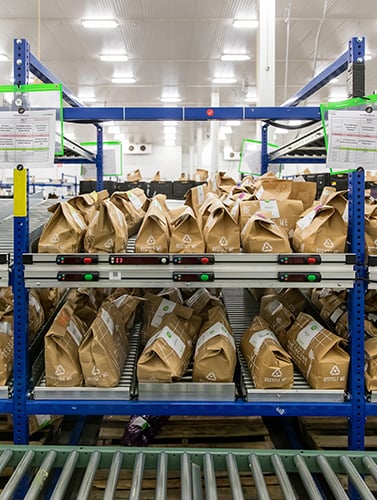
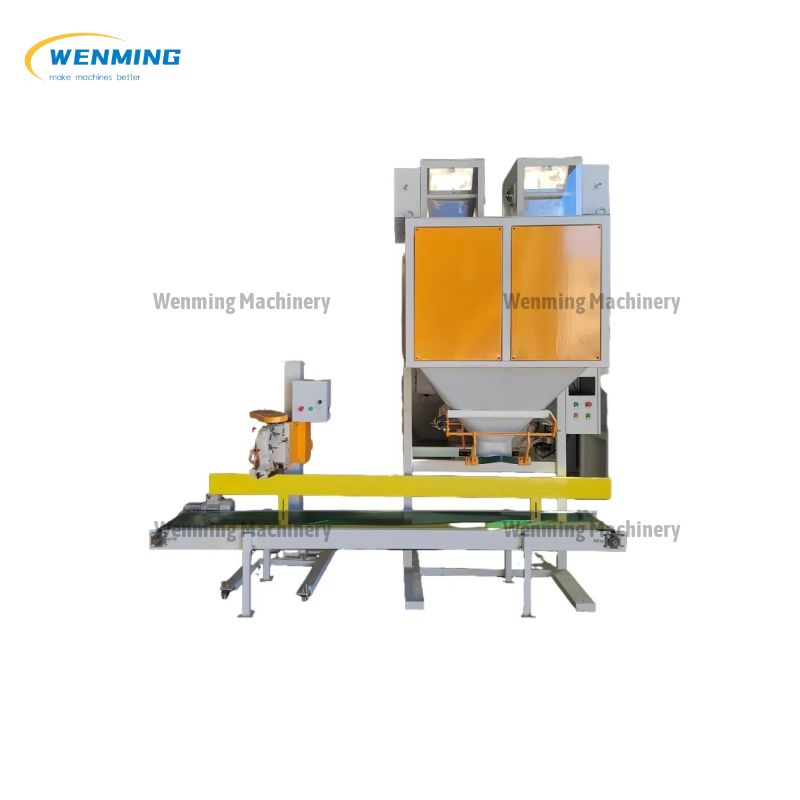
- Slower throughput
- Bottlenecks during growth
- Inconsistent output
Co-Packing:
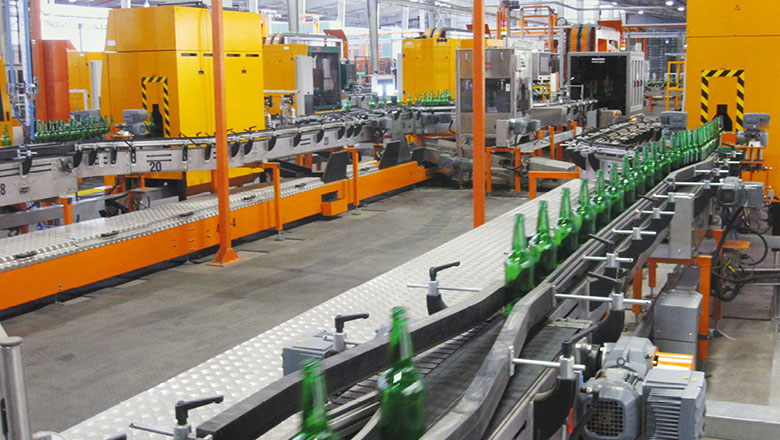
- High-speed production lines
- Optimized workflows
- Consistent output
👉 Efficiency drives cost down at scale
🔹 4. Cost Per Unit
In-House:
- Lower at very small scale
- Increases with inefficiency
- Hidden overhead often ignored
Co-Packing:
- Higher at low volume
- Decreases with scale
- Transparent pricing structure
👉 This is where MOQ becomes critical
(see: /co-packing-search-architecture/minimum-order-quantity-moq/)
🔹 5. Flexibility vs Commitment
In-House:
- Full control
- Can run small batches
- Easier to test products
Co-Packing:
- Requires planning
- Requires volume
- Less flexibility at small scale
👉 Better for stable demand, not experimentation
🔹 6. Hidden Costs Most Companies Miss
🔸 Inventory & Storage
- Bulk production requires space
- Unsold inventory ties up cash
🔸 Downtime
- Equipment failure
- Staffing shortages
- Production delays
🔸 Opportunity Cost
- Time spent managing packaging
- Slower growth due to bottlenecks
👉 This is often the biggest cost of all
⚖️ When In-House Makes More Sense
- Early-stage companies
- Low or inconsistent volume
- High need for flexibility
- Product still being tested
⚖️ When Contract Packaging Makes More Sense
- Growing demand
- Consistent order volume
- Need for speed and efficiency
- Operational bottlenecks
🧠 The Inflection Point Most Companies Hit
There’s a moment where:
- Hiring more people stops helping
- Production can’t scale fast enough
- Errors start increasing
That’s when companies start searching:
- “outsource packaging”
- “co packing companies near me”
👉 This is the transition point
🔍 How This Shows Up in Search Behavior
Companies comparing in-house vs outsourcing are:
- Closer to making a decision
- Evaluating real costs
- Looking for validation
This is one of the highest-value stages in the search journey.
👉 See the full journey here:
/co-packing-search-architecture/
💡 The Reality Most Companies Discover
Co-packing isn’t cheaper at the beginning.
It becomes cheaper when scale and efficiency matter.
🧭 A Simple Way to Think About It
- In-house = control + flexibility
- Co-packing = efficiency + scale
The right choice depends on:
- Where the company is today
- Where it needs to go next
🔗 Internal Links (keep these in)
- MOQ page
- “How to choose a co-packer”
- “Co-packing near me”
- Pillar page
🧠 Final Thought
The decision isn’t about saving money — it’s about removing the bottleneck that’s holding growth back.
🔧 Optional FAQ Section (for schema)
Is co-packing cheaper than in-house packaging?
Not always. It is often more expensive at low volumes but becomes more cost-effective as production scales.
What is the biggest hidden cost of in-house packaging?
Labor inefficiency and operational bottlenecks are often the largest hidden costs.
Why does co-packing require higher volume?
Because production lines are optimized for efficiency, and setup costs must be spread across larger runs.